
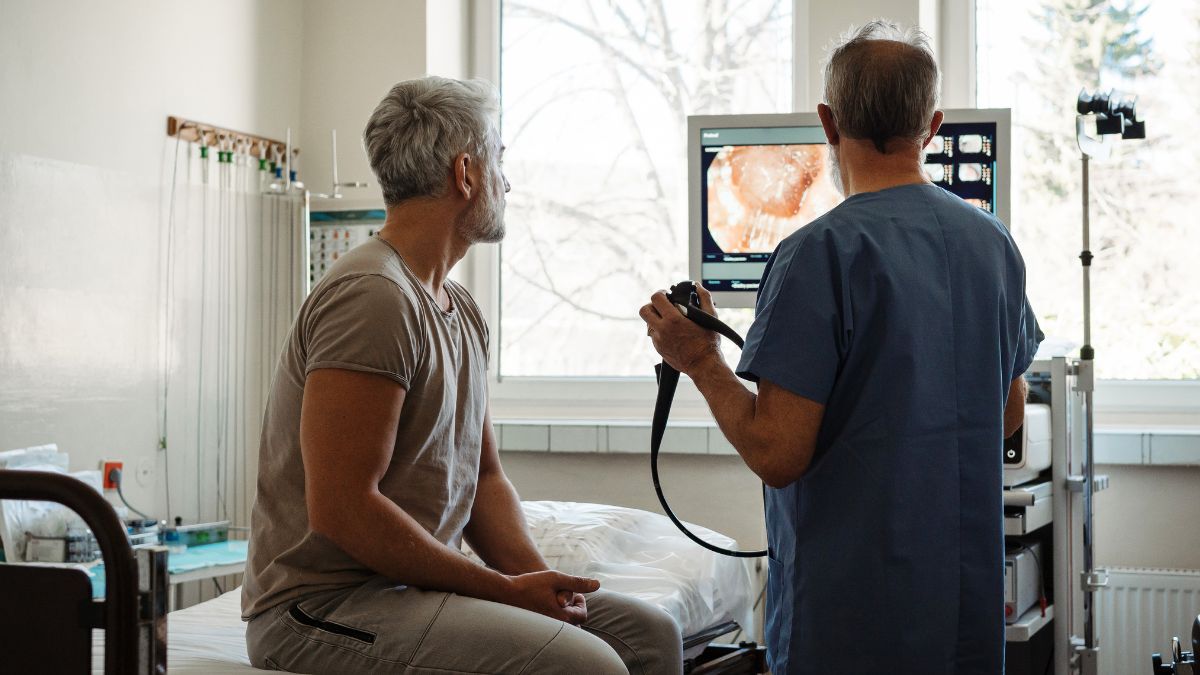
Many people are diagnosed with diverticulosis during a routine colonoscopy and are unsure what it means. While the terms sound similar, diverticulosis and diverticulitis are very different. While both conditions involve the colon, they differ in inflammation and symptom severity.
This blog post will clear up the confusion about the two conditions, explain management strategies, and address common myths about these common digestive conditions.
Diverticulosis vs. Diverticulitis—What's the Difference?
Before diving into myths and management strategies, it's important to understand the difference between diverticulosis and diverticulitis.
Diverticulosis
Diverticulosis is a term used to describe small pouches (called diverticula) that form in the lining of the colon. They're usually asymptomatic and are often discovered incidentally (such as during a routine colonoscopy).
The incidence of diverticulosis tends to increase with age and can affect over 70% of adults over 80. While it may present with mild symptoms like bloating, irregular bowel habits, and mild discomfort, in general, it doesn't cause too many issues.
Diverticulitis
Diverticulitis describes when one or more diverticula become inflamed or infected. Unlike diverticulosis, which tends to have mild or no symptoms, diverticulitis can manifest as abdominal pain (often on the lower left side), fever, nausea, and changes in bowel habits.
Fewer than 5% of people who have diverticulosis will develop diverticulitis. Interestingly, the prevalence of diverticulitis by sex changes with age. While more men than women under 50 get diverticulitis, after age 50, diverticulitis is more prevalent in women.
Diverticulitis requires medical attention and sometimes antibiotics or hospitalization. Common complications of diverticulitis include:
- Diverticular bleeding (when a small blood vessel in the diverticulum pouch bursts). This may be severe and life-threatening.
- Abscess formation
- Fistula formation (when an abnormal passage forms between the colon and another part of the body)
- Blockage of the intestine
- Colon perforation
- Infection of the abdominal cavity lining (called peritonitis)
It's important to note that diverticulitis is a complication of diverticulosis, not a separate disease entirely.
What Causes Diverticula to Form?
There are many potential causes of diverticula formation, including:
- A low fiber diet leading to constipation and higher colon pressure (from straining to have a bowel movement)
- Aging and weakening of the intestinal walls
- Smoking
- Possibly changes in the gut microbiome and inflammation in the colon
In addition, genetics and lifestyle factors (such as inadequate physical activity or obesity) may also contribute. While we can't change age or genetics, diet and lifestyle can play a key role in preventing and managing diverticulosis.
Managing Diverticulosis
The goal of diverticulosis management is to prevent flare-ups and reduce the risk of diverticulitis occuring. Here are some tips I often share with my clients:
- Eat a high fiber diet: Fruits, vegetables, whole grains, and legumes all provide fiber, which supports the microbiome and reduces the risk of constipation.
- Stay hydrated to help fiber move through the intestines smoothly.
- Exercise regularly to support a healthy body weight and bowel motility (the movement of waste through the bowels).
- Avoid straining during bowel movements, as this can increase pressure in the colon and potentially lead to diverticula formation.
If you're currently following a low FODMAP diet (for IBS management) or other digestive health plan, it's important to increase your fiber intake slowly to avoid digestive symptoms like gas and bloating.
Managing Diverticulitis
Diverticulitis management depends on the severity of your symptoms. Mild cases can be managed at home with a combination of antibiotics, rest, and a temporary low-fiber or clear liquid diet to give your digestive system time to heal. More severe cases, especially those involving fever, significant pain, or complications like abscesses or bleeding, may require hospitalization, IV antibiotics, and, in rare cases, surgery to remove the damaged portion of the colon.
As your symptoms improve, it's important to gradually reintroduce fiber to support long-term gut health and reduce the risk of another flare. This typically happens in stages:
Clear liquids → low-fiber foods → high-fiber diet over time
During the clear liquid stage, stick with broths, clear juices, gelatin, and electrolyte drinks to stay hydrated and maintain energy. Once tolerated, transition to low-fiber foods such as white rice, plain pasta, white bread, canned peaches or pears, potatoes without skin, and lactose-free yogurt. Once you're feeling better, begin adding high fiber foods like oats, fruits, vegetables, beans, and whole grains—slowly, and with plenty of fluids.
Following up with your doctor and dietitian is key to preventing future episodes. They can help you develop a plan that balances fiber intake, supports regular digestion, and fits your personal tolerance.
Sample Diverticulitis Recovery Meal Plan
Everyone recovers at a different pace, so think of this as a gentle framework rather than a strict plan. Always follow your doctor or dietitian's guidance for your specific case.
Phase 1: Clear Liquids (1-2 days)
This phase gives your digestive system a rest while keeping you hydrated. Examples of foods to include are:
- Clear broth or strained soups (chicken, vegetable, or bone broth)
- Gelatin
- Electrolyte drinks
- Water, herbal tea, or diluted fruit juice (without pulp)
- Popsicles made from pulp-free fruit juice
Dietitian Tip: Sip slowly throughout the day. The goal here is to keep you hydrated.
Phase 2: Low-Fiber, Soft Foods (2-4 days)
Once symptoms like pain and nausea subside, start to introduce easy-to-digest, low-fiber foods to help your body transition back to solids. Here are some foods to try:
- White rice or plain pasta
- Scrambled or poached eggs
- Mashed potatoes (without the skin)
- Canned peaches or pears in juice
- Lactose-free yogurt or cottage cheese
- White toast
Dietitian Tip: Stick to small, frequent meals every 3 to 4 hours to avoid overwhelming your gut.
Phase 3: Gradual Fiber Reintroduction (ongoing)
As you feel stronger, slowly reintroduce high-fiber foods to support long-term gut health and reduce the risk of recurrence. Try adding the following foods:
- Oats, quinoa, or brown rice
- Soft-cooked vegetables (carrots, zucchini)
- Peeled apples or ripe bananas
- Lentils or beans (in small portions at first)
- Whole-grain bread and cereals
Dietitian Tip: Add one new fiber-rich food at a time and monitor your symptoms. Pair fiber with plenty of fluids, as water helps fiber move smoothly through your digestive system.
Common Myths About Diverticular Disease
|
Myth |
Fact |
|
You should avoid nuts, corn, and popcorn |
Research shows no link between these foods and diverticulitis risk |
|
Once you have diverticulosis, it always becomes diverticulitis |
Only about 5% of people with diverticulosis develop inflammation |
|
Fiber worsens diverticulitis |
During a flare, a low-fiber diet is recommended, but long-term, fiber protects the colon |
|
It's caused by spicy foods or stress |
While stress can affect digestion (such as worsening constipation), diverticulitis is primarily linked to inflammation and pressure, not spicy foods |
When to See a Doctor or Dietitian
If you experience persistent abdominal pain, fever, blood in your stool, or unintentional weight loss, it's important to see your doctor to rule out other causes of your symptoms, like inflammatory bowel disease (IBD) or colorectal cancer.
If you're struggling with diet and lifestyle, a dietitian can help:
- Gradually increase fiber safely
- Build a personalized meal plan for symptom prevention
- Support post-flare recovery and gut microbiome health
Remember, early intervention and professional guidance can reduce the recurrence of diverticulitis and improve overall quality of life.
Final Thoughts
Diverticulosis and diverticulitis are connected, but not the same. Diverticulosis refers to small pouches in the colon, while diverticulitis refers to the inflammation of these pouches. The key to preventing flare-ups lies in eating enough fiber, hydrating regularly, and getting adequate physical activity. With the right approach, you can live comfortably and confidently—without fear of flare-ups or outdated myths holding you back.
If you're struggling with making lifestyle changes to support a healthy gut, consider reaching out to us at Blue Tree Nutrition to schedule an introductory call.

0 Comments