
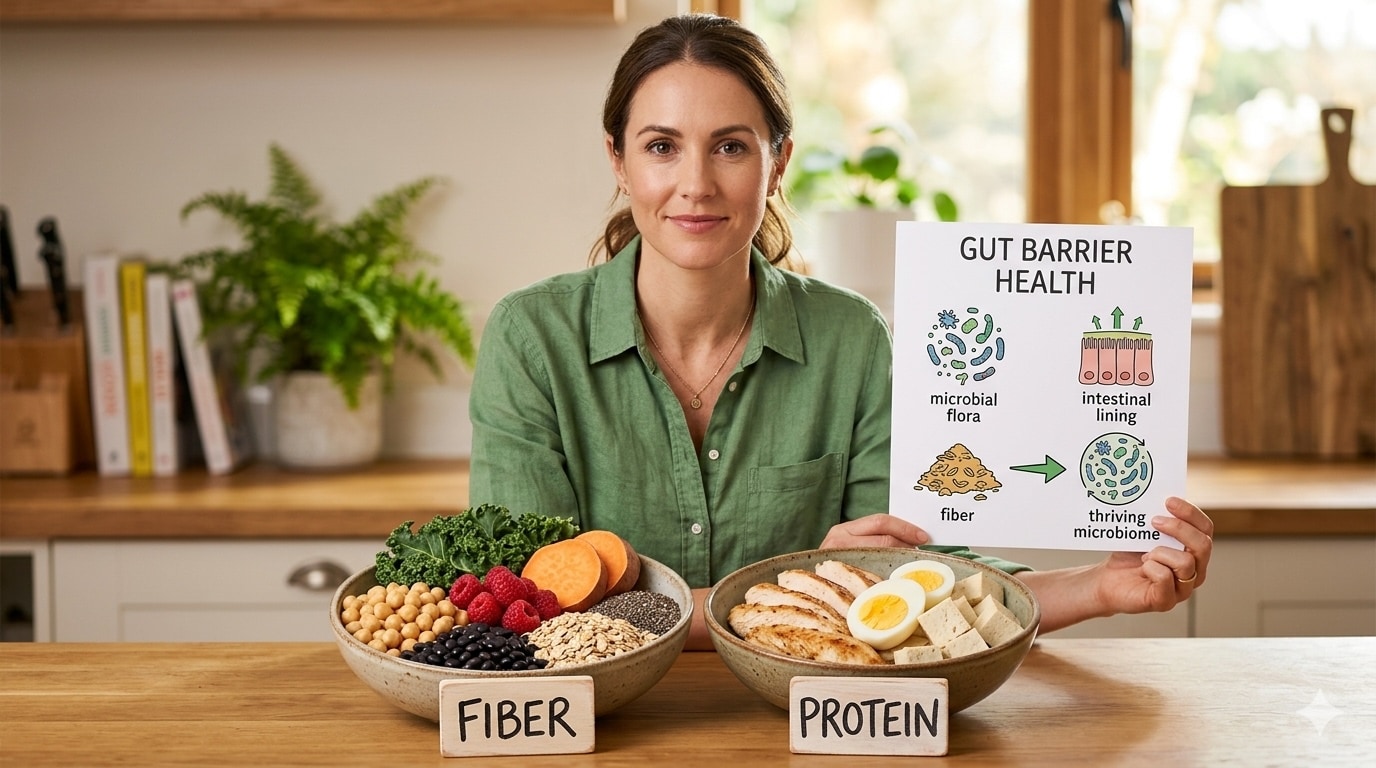
Protein vs. Fiber: Which One Matters More for Gut Health?
Spend any amount of time on social media these days, and you'd think protein is the answer to all your health concerns. Protein coffee, protein cereal, protein deserts…even foods that never needed protein are getting a boost.
Protein absolutely plays an important role in overall health. But when it comes specifically to gut health, fiber is the real MVP.
Why Gut Health Depends on What Your Microbes Eat
Your gut is home to trillions of microorganisms collectively known as the gut microbiome. These microbes, which include bacteria, viruses, fungi, and more, influence everything from digestion and metabolism to inflammation and immune function.
But microbes need fuel to survive.
Unlike human cells, your gut microbes thrive on dietary fiber—not protein—as their main source of energy. When you eat fiber, your gut microbes ferment it and produce compounds that actively support health.
However, when fiber intake is low, your gut microbes are forced to rely on other sources of fuel, including protein. And that shift can change which metabolic byproducts are produced in your gut. And spoiler alert—that's not always for the better.
What Happens When You Eat Fiber
Fiber is a type of carbohydrate that resists digestion in the small intestine. Instead of being absorbed, it travels to the colon intact.
This is where the magic happens. Your gut microbes ferment fiber, producing a variety of different compounds. Some of the most important byproducts of fiber breakdown by your microbiome are short-chain fatty acids (SCFAs).
SCFAs are incredibly beneficial for overall health. Here are just some of their benefits:
- Nourish colon cells
- Strengthen the gut barrier
- Reduce inflammation
- Support regular bowel movements
- Maintain a healthy gut pH
- Protect against several diseases
In other words, fiber doesn't just help you poop—it actively supports the structure and function of your gut.
The Different Types of Fiber (And Why They All Matter)
You might be surprised to learn that not all fiber works the same way. Soluble fiber, which dissolves in water to form a gel-like substance, slows digestion, helps regulate blood sugar, lowers cholesterol, and, in some cases, acts as fuel for your good gut microbes. The fiber that can act as fuel for your gut microbes is called prebiotic fiber, and you can think of it as fertilizer for your gut microbiome.
In contrast, insoluble fiber does not dissolve in water, but adds bulk to stool, helping promote gut regularity and speeding up the transit of waste through your digestive tract.
Both types of fiber are needed for a healthy gut, but soluble fiber is typically "gentler" on digestion and can be especially helpful for people with IBS.
What Happens When Protein Reaches the Colon
Protein is essential for muscle repair, immune function, and hormone regulation, and most of it is digested and absorbed in the small intestine. However, when large amounts of protein (especially protein from animal products) reach the colon, your gut microbes break it down through fermentation. Unlike fiber fermentation, protein fermentation produces compounds that can negatively affect gut health.
Byproducts of protein fermentation can include ammonia, hydrogen sulfide, phenols, and indoles. In large amounts, these compounds have been linked to gut barrier irritation, increased inflammation, unfavorable changes in gut microbiome composition, and a potential increase in colorectal disease risk.
This doesn't mean protein is harmful, but it highlights that a high-animal-protein, low-fiber diet shifts microbial activity toward less beneficial metabolic pathways. In other words? The extremely popular carnivore diet is not a good choice for gut health. Overall, it's best to focus on plant-based sources of protein, which studies show can improve gut microbiome composition.
Why Fiber Matters More Than Protein for Gut Health
From a gut health perspective, fiber has several advantages over protein:
- Feeds beneficial microbes
- Produces anti-inflammatory compounds
- Supports stool consistency and transit
- Improves microbial diversity
Most people meet or exceed the recommended protein intake, but fall dramatically short on fiber intake (some studies suggest that as many of 95% of people in the United States don't reach the recommended fiber intake).
The National Academy of Medicine recommends that women aim for around 25 grams of fiber per day, while men should target about 38 grams per day.
Simple Ways to Increase Fiber Intake
Increasing your fiber intake doesn't require a complete diet overhaul. Small, consistent changes tend to work best, especially if you have a sensitive digestive system.
Instead of removing foods from your diet, focus on adding fiber where you can or switching to higher fiber options:
- Toss canned beans or chickpeas into salads
- Add chia or ground flax seeds to your yogurt
- Include at least one plant food at every meal
- Switch to whole wheat or fiber-enriched pasta
- Choose rolled oats instead of sugary breakfast cereals
- Cook and cool starchy foods like potatoes, rice, and pasta before eating to naturally increase resistant starch (a type of prebiotic) content
To avoid digestive problems, increase your fiber intake slowly by 2-3 grams per day, and ensure you're drinking plenty of fluids to keep things moving smoothly. To increase the diversity of fiber you're providing to your microbes, aim to eat 30 different plant foods (which include fruits, vegetables, legumes, nuts, seeds, herbs, and spices) per week.
The Bottom Line
Protein is essential for overall health, but when it comes to gut health, fiber plays the starring role. It feeds your beneficial gut microbes, strengthens the gut linking, and produces anti-inflammatory compounds that help keep your digestive system running smoothly. Meanwhile, diets high in protein but low in fiber may encourage metabolic byproducts linked with less favorable gut outcomes.
If your priority is improving gut health, the evidence consistently points in one direction. Eat more fiber, and your gut microbes will thank you. If you're struggling with increasing your fiber intake, a dietitian can help. Click here to get in touch with us at Blue Tree Nutrition and learn about how we can support your journey to better gut health.
Hello, I am
Valerie
My name is Valerie Polley. I am a Indianapolis-based registered dietitian and owner of Blue Tree Nutrition. I consult with clients both local and far away.
I have a bachelor’s degree in nutrition from Purdue University and I have been practicing for 20 years.
I thoroughly enjoy helping clients through their gut health journey. I see a range of GI issues including, but not limited to celiac disease, IBS and SIBO. I also specialize in the FODMAP elimination diet.

0 Comments